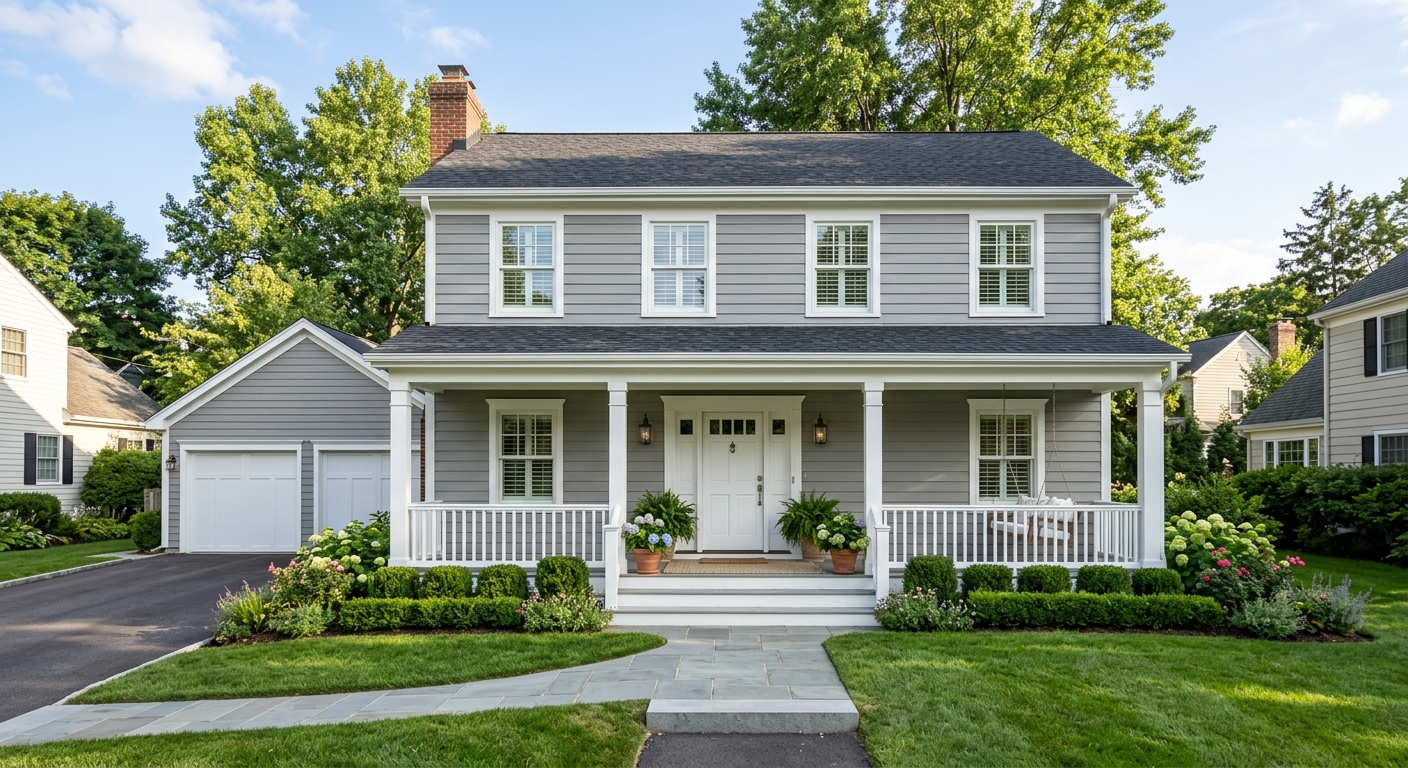
Painting options and costs in Yonge-St.Clair
In Yonge-St.Clair, choosing the right painting option starts with matching the scope to how Toronto homes are built and how the weather behaves. The area includes many older properties—across the Toronto region, the population is substantial (12,528 residents in Yonge-St.Clair per the 2021 Census, Statistics Canada). On older homes, repainting often means more labour for scraping, caulking, patching, and priming, because you’re not just covering colour; you’re repairing and sealing surfaces that have been exposed for years. If your home is pre-1978, contractors commonly use lead-safe work practices when disturbing trim, windows, railings, or older paint layers.
Cost is also shaped by market timing. Exterior work in the GTA is tightly dependent on weather: contractors usually plan for late May through June, then again from September to mid-October when conditions stay around or above 10°C and humidity is manageable long enough for proper adhesion and curing. In June–August, limited “ideal” weeks and peak demand can push exterior pricing roughly 10–15% higher versus shoulder-season days. Interior work is less weather-sensitive, but the Toronto market still prices labour based on access, ceiling height, masking and prep around busy households.
Because prep can be half or more of the labour on repaint projects, two quotes can land in very different places even if the paint brand sounds similar. The table below gives realistic starting points so you can compare like-for-like before you book a site visit.
| Service |
What's Included |
Typical Duration |
Price Range |
| Interior — whole home (walls, ceilings, trim) |
Move/cover furniture as needed, protect floors, sand/fill minor defects, caulk, prime where required, 2-coat finish, basic cleanup |
5–12 working days |
$1,800–$6,000 |
| Interior — per room (standard bedroom or living room) |
Protect trim/floors, prep minor cracks/dings, prime spots, 2-coat wall finish, optional ceiling allowance |
1–3 working days |
$400–$1,200 |
| Exterior — full house (siding, trim, soffits) |
Powerwash/clean, scrape loose paint, caulk where needed, prime bare/failed areas, 2-coat exterior system, protect landscaping, cleanup |
1–3 weeks |
$3,000–$8,000 |
| Exterior — trim and accent colours only |
Prep and prime trim areas, repaint trim/accent sections, clean and caulk minor gaps, spot-touch window/door edges as agreed |
3–7 working days |
$1,500–$4,500 |
| Kitchen cabinet painting (doors, frames, spray finish) |
Degrease, sand/scuff, remove hardware, prime with bonding primer, spray finish, light touchups, reinstall hardware |
5–10 working days |
$1,800–$4,000 |
| Specialty / faux finish (accent wall, texture) |
Surface smoothing/prep, specialty system (e.g., texture roller, glaze/faux), protective topcoat, cleanup |
1–5 working days |
$600–$5,000 |
Prices are estimates only and vary by project scope, site access and material selection.
What affects the price of painting in Yonge-St.Clair
In Toronto and across Ontario, you can see the same “paint it” job come in 30–50% apart because quotes often differ in how much time they budget for preparation, how many coats they plan, and whether they’re priced with premium coatings and proper priming. Exterior is the biggest driver. The exterior painting season in the GTA is short and climate-dependent—typically late May through June, then September to mid-October—because temperatures need to be above about 10°C for application and curing, and humidity needs to stay within workable limits. When contractors are booked tightly during June–August, exterior pricing often reflects limited scheduling availability and the need to get jobs completed before rain windows hit.
Older homes in the region also increase labour. In many Yonge-St.Clair neighbourhood pockets, pre-1980 construction is common, and repainting on older siding, trim, and woodwork often involves more scraping, sanding, caulking, and primer because multiple old paint layers don’t behave like newer surfaces. In repainting jobs, surface prep can take 50–70% of the total labour budget, which is why an exterior project might land closer to the $1,500–$4,500 range for trim-only work but move toward $3,000–$8,000 for a full house when failed paint areas, rot spotting, or heavy buildup need addressing.
Concrete examples I see in Yonge-St.Clair: (1) homes with older window/door trim usually need extra caulking and spot-priming around edges, adding time before the first topcoat; (2) multi-storey exterior access (ladders vs. lifts/scaffolding) can change labour and risk management, affecting total cost. On the interior side, ceiling height and many doors/trim lines can push a per-room job upward, especially when you choose a durable sheen for high-traffic areas and must keep consistent finish across rooms.
| Price Factor |
Why It Matters |
Cost Impact |
| Surface prep — scraping, sanding, patching drywall or wood |
Determines adhesion and whether the paint film lasts without peeling or flashing |
Can add 20–60% of labour on repainting |
| Number of coats — 2-coat system over primer vs. 1 coat over existing |
Coverage and durability depend on correct system, especially over stains or patched areas |
Missing a coat often reduces longevity and increases call-backs |
| Paint quality tier — contractor-grade vs. premium (Benjamin Moore, Sherwin) |
Premium coatings often improve hide, scuff resistance and washability |
Materials can vary roughly 10–30%; total job cost rises when more coats are needed |
| Ceilings and trim — adds significant time vs. walls-only |
Edge work, masking, caulking and brush-cutting takes longer |
Typically adds 15–40% depending on room layout |
| Exterior season window — short season raises summer rates |
Contractor scheduling pressure and curing constraints affect labour allocation |
Often pushes exterior by ~10–15% in June–August |
| Lead-safe precautions — required for pre-1978 homes with lead paint |
Safe handling of dust and proper containment add set-up and cleaning time |
May add 5–25% depending on how much painted surfaces will be disturbed |
| Surface material — drywall vs. plaster vs. wood vs. stucco |
Different substrates need different primers and prep methods |
Can shift materials and labour by 10–35% |
| Height and access — multi-storey exterior requires scaffolding or lifts |
Safety planning and setup time increases |
May add 15–45% on exterior access-heavy homes |
Permits & regulations in Ontario
In Ontario, painting a home typically does not require a permit. Where permissions come into play is usually tied to structural changes or work that goes beyond painting, such as major renovations, roof replacement, or alterations to building systems—not standard interior or exterior repainting.
For homes built before 1978, health guidelines recommend testing for lead paint before sanding or scraping if you suspect lead is present, and using lead-safe work practices if lead is detected. Professional crews generally follow procedures like wet methods to reduce dust, HEPA vacuuming, controlled containment, and proper disposal of debris. While these steps are not usually legally mandated for homeowners, they are the standard of care professionals use because the risk is real when disturbing older layers on trim, window sashes, and railings.
Before work begins in Yonge-St.Clair, confirm your contractor carries liability insurance and has workers’ compensation coverage (WSIB/WCB). Then insist on a written contract that clearly spells out: the paint brand and sheen, the number of coats, the prep steps included (scrape/sand/prime/caulk), and whether surface repairs are included or quoted separately.
Step-by-step verification: (1) ask for the Ontario business licensing details if they apply locally through their business; (2) request a certificate of insurance (liability) and confirm the policy is active for the project address; (3) confirm WSIB/WCB coverage by requesting proof; (4) review the contract for exact prep and coating specs. If your contractor can’t provide documentation quickly, that’s a practical red flag.
Interior vs exterior painting — getting the best result in Yonge-St.Clair
In Yonge-St.Clair’s Toronto climate, long-lasting painting depends less on “buying the fanciest can” and more on getting the prep and system right. Interiors usually fail from poor surface preparation or incorrect sheen selection—especially around kitchen-adjacent walls, hallways and stairwells where cleaning is frequent. For interior walls, filling and sanding minor defects, proper caulking at trim lines, and spot-priming any patched or stained areas can matter more than the topcoat brand. Also, two coats over an appropriate primer generally outlast one heavy coat; it creates better coverage consistency and reduces flashing, especially in rooms with directional lighting.
Sheen choice also matters by room. In living rooms and bedrooms, an eggshell or satin finish balances washability with a softer look. Kitchens and bathrooms (even if you’re only painting) typically need a more durable sheen so scuffs and steam residue wipe clean without streaking. For exteriors, the rules tighten. Ontario’s freeze-thaw swings and spring/fall rain mean surface prep is critical: cleaning, scraping loose paint, sanding edges, and caulking gaps before you paint helps prevent water ingress behind the coating system. Primer matters too—different substrates (wood, fibre cement, previously painted metal trim) require the correct primer type for adhesion and to stop bleed-through. In GTA weather, products must be stable for moderate temperatures during application (rather than being selected for coastal mildew as you might see in BC).
Cabinet painting can be a smart alternative to replacement. If you’re considering kitchen cabinets, painting is often the way to keep budget while refreshing the look; compared with replacement, it avoids demolition and installation trades, which is where costs balloon. For example, a cabinet spray finish project can land in the $1,800–$4,000 range, while a full replacement can be dramatically higher once you add new cabinetry, countertops and labour. If you have pre-1978 trim or older painted surfaces, lead-safe precautions should be built into the plan before sanding or scraping to keep dust control and cleanup standards consistent.
| Project Type |
Key Prep Step |
Recommended Coats |
Price Band |
| Interior — fresh drywall (new construction) |
Seal/prime new drywall seams and any joint compound variations, then caulk edges |
Primer + 2 coats finish |
$1,000–$3,500 |
| Interior — repaint (good condition, no repairs) |
Wash/scuff lightly, caulk where needed, spot-prime if sheen mismatch or stains exist |
2 coats finish (spot prime only) |
$400–$1,800 |
| Interior — repaint (patching and priming needed) |
Patch/sand, prime repairs and any stained/bleeding areas |
Primer on patches + 2 coats finish |
$900–$3,000 |
| Exterior siding (wood or fibre cement) |
Clean, scrape loose paint, sand edges, caulk gaps, prime bare spots |
Primer where required + 2 coats exterior |
$3,000–$8,000 |
| Exterior trim and accents only |
Remove/feather loose paint, prime bare trim sections, caulk before coating |
Spot prime + 2 coats trim colour |
$1,500–$4,500 |
| Kitchen cabinets (spray finish) |
Degrease and sand/scuff thoroughly, prime with bonding system, controlled masking |
Primer + 2 sprayed finish coats (plus touchups) |
$1,800–$4,000 |
How to choose a painting contractor in Yonge-St.Clair
Choosing the right contractor in Yonge-St.Clair comes down to verification, clarity, and workmanship expectations. Start with Ontario coverage checks: ask for their certificate of liability insurance (and ensure it lists your address as the work location or is valid for the scope), then request proof of WSIB/WCB coverage for their painters. You can also confirm their business details and standing through the appropriate online business registry resources used for Ontario verification. If they can’t provide documentation promptly, move on—painting is labour-intensive and you want coverage in case of an accident or damage to your home.
Next, get 2–3 itemised written quotes. A good quote separates labour and materials, includes the specific prep steps (scraping, sanding, patching, priming and caulking), and states the paint brand and sheen you’re paying for. Make sure the scope is comparable: is disposal included? Is powerwashing included for exteriors? Is lead-safe prep included if your home is pre-1978? Also ask what’s excluded—like rotten wood repairs, replacing trim boards, or major drywall restoration—and how those changes would be priced.
Warranty and payment are where homeowners protect themselves. Ask for a workmanship warranty length and confirm whether product/manufacturer warranties apply to the installation and if they’re transferable. For payment scheduling, never pay more than 10–15% upfront; hold back a portion until the job is complete and you’ve reviewed the final finish in daylight. Insist on a written timeline with a start date and a completion estimate.
- Request proof of liability insurance (active policy) before signing anything.
- Confirm WSIB/WCB coverage and ensure the painters working onsite are covered.
- Ask for a written scope that lists prep steps, not just “we’ll paint.”
- Require paint brand, sheen, and colour codes in the contract.
- Verify number of coats and where primer is required (patches, bare spots, stains).
- Confirm caulking and sanding are included at trim and exterior edges.
- Ask if powerwashing and surface cleaning are included for exteriors.
- Clarify disposal: what they remove, bag, and haul away.
- Confirm how they protect floors, landscaping, and valuables during work.
- Get a start date and an estimated completion window in writing.
- Use a payment schedule with no more than 10–15% upfront and a final holdback.
- Ask about their cleanup standard and how they inspect for missed spots.
Red flags in Yonge-St.Clair: quotes that ignore prep time (no mention of scraping/sanding/priming), no documentation for insurance or WSIB/WCB, vague paint specs (generic “premium paint” without brand/sheens), asking for large upfront payments, and warranties that are only “paint-related” with no workmanship coverage.
Frequently asked questions — painting in Yonge-St.Clair
Do I need to worry about lead paint in an older Yonge-St.Clair home?
It’s a sensible concern for many older Yonge-St.Clair homes because pre-1978 properties often have older paint layers on trim, window frames, and railings. In Ontario, homeowners usually aren’t required to test or run lead-safe procedures the way contractors do, but health guidelines recommend testing before sanding or scraping if lead is suspected, and using lead-safe methods if lead is present. Practically, that means wet methods to reduce dust, HEPA vacuuming, and careful cleanup and disposal. A professional contractor should be willing to build this into the job plan and quote if your home is older. If you’re comparing bids, look for whether the scope includes lead-safe prep and containment—those details can explain differences in cost within the typical exterior range of $1,500–$8,000 depending on whether full exterior prep is needed.
How long does it take to paint a house?
Timelines depend on whether you’re painting interior, exterior, or both, plus how much prep is required. For interiors in Yonge-St.Clair, a per-room refresh can often be completed in about 1–3 working days, while a whole-home project typically runs roughly 5–12 working days because of masking, drying time between coats, and trim/edge detail. Exteriors take longer because they’re scheduled around weather: in the GTA, exterior work is usually planned from late May through June and then again from September to mid-October when temperatures are above about 10°C for curing. On a full exterior repain with scraping and priming, it can be 1–3 weeks of working time spread across the season’s workable days. A realistic quote should include preparation days, not just “painting days,” especially for pre-1980 homes where surface prep can dominate labour.
What's the difference between paint quality tiers?
Paint “tiers” mainly reflect performance: hide/coverage, scuff and wash resistance, and how evenly the coating lays down. Contractor-grade products can be excellent for basic refresh jobs, especially when prep is correct. Premium lines from brands like Benjamin Moore or Sherwin often cost more per litre, but they can reduce visible patchiness, improve stain blocking and durability, and handle scrubbing better—useful in entryways, hallways and kitchens. In practice, the quality tier matters most when the job requires multiple patch areas or when you’re switching from a darker colour to a much lighter one. When you see exterior pricing creeping toward the $3,000–$8,000 end, it’s commonly because premium coating plus primers and more extensive prep were included, rather than because “premium paint” alone is driving the number. Always compare system details: primer type, number of coats, and prep steps.
How do I compare painting quotes?
In Yonge-St.Clair, comparing quotes is all about making them like-for-like. Ask each contractor to provide an itemised quote that separates labour and materials and lists the prep steps: scraping/ sanding, caulking, patching, priming and whether powerwashing is included for exteriors. Confirm paint brand and sheen (flat/eggshell/satin/semi-gloss) and the number of coats for each surface. For exterior, compare whether they’re budgeting for the short season realities—timing matters because paint can’t properly cure when temperatures and humidity aren’t right. For interiors, compare whether ceilings and trim are included, and whether patched areas get primer. If one bid lands closer to $400–$1,200 per room while another is higher, it may be because one is assuming no repairs or fewer coats. The best contractor will walk you through differences without getting defensive.
What paint sheen should I use in different rooms?
Sheen choice is about balancing appearance with cleanability in Ontario homes. In bedrooms and low-traffic living rooms, eggshell or satin is a common sweet spot: it reflects less light than semi-gloss but still cleans better than flat paint. For hallways, stairwells and family rooms where scuffs happen, satin or semi-gloss on trim and higher-touch walls is usually the practical choice. Kitchens and bathrooms (where steam and grease residue can occur) typically benefit from a washable finish—often satin or semi-gloss for trim and more durable eggshell/satin for walls. Ceilings are commonly flat to minimize sheen “hot spots.” When you’re repainting, remember sheen mismatches are visible; if a contractor promises “two coats” but doesn’t specify sheen consistency, ask questions. Good prep and priming of patches is what prevents flashing more than the sheen itself.
Can I paint my house exterior in spring or fall in Yonge-St.Clair?
Yes, you can paint exterior in both spring and fall in Ontario, but timing must match curing conditions. In the GTA, exterior contractors typically work late May through June and then again from September to mid-October, when temperatures stay above about 10°C and humidity is moderate enough for adhesion and proper drying. Spring and fall can be fine if your contractor monitors the weather window and plans application so the paint can cure before cool nights and rain arrive. If rain interrupts or temperatures drop too quickly, you can get poor adhesion, streaking, or longer cure times that reduce durability. Unlike coastal BC, where persistent dampness and mildew risk shift product choices toward mildew-resistant systems, Yonge-St.Clair’s main exterior challenges are frost, rain, and humidity spikes during shorter seasonal periods. If you’re choosing between options, confirm the exact window in writing and the preparation steps—caulking and primer coverage often matter as much as when you paint.